Covid-19 Impact on Veterinary Care
Update: May 19 Notice From Dr. Mehi
I have resumed my regular hours for housecalls, and I am now doing
Wednesday housecalls again.
Among veterinarians, housecall veterinarians are at the highest
risk of person-to-person transmission of the virus. There is also some
evidence that cats and dogs can be a source of transmission if a pet
owner has been infected with Covid-19.
Therefore, the following protocols will be
in effect for housecalls:
Before I come to your house you must disclose if anyone in the
household has tested positive for Covid-19 in the last 14 days.
I will be wearing a mask, coveralls or labcoat, and gloves, as will
my assistant Lindsay.
Any examinations or procedures should take place either in the
largest room possible, or in a garage, or outdoors (weather permitting).
I need about a 3 foot x 4 foot area to be clear of items so I can lay
down a plastic sheet to protect my bags. This can be a countertop or a
couch etc.
Only 1 family member should be present in the immediate vicinity
during an examination.
Children and elderly family members or those with underlying health
problems should stay in another area of the house. An exception will be
made for in-home euthanasia: more family members may be present so long
as masks are worn and we are in the largest area possible.
If someone in the household is required to restrain a pet for a
procedure, that person must be wearing a mask, as we cannot maintain 2
metres of physical distancing.
If we need to examine a pet in a smaller room, e.g. a bathroom, then
a mask must be worn by the family member if they are present to restrain
the pet.
I am looking forward to seeing all of you and your pets. Stay well!
For after hours emergencies
Please call the 404 Veterinary Emergency Hospital at 905-953-1933. They
are open 24/7.
Tick season is here
Ticks become active once the weather warms to 4 degrees Celsius.
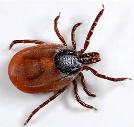 Your
dog is at risk in almost any outdoor location - inspect your dog's coat after every outing for ticks or hard bumps and remove ticks immediately as per instructions at
www.dogsandticks.com. Call Dr. Mehi at 905-830-8406 to inquire about
options for your dog's best protection. Your
dog is at risk in almost any outdoor location - inspect your dog's coat after every outing for ticks or hard bumps and remove ticks immediately as per instructions at
www.dogsandticks.com. Call Dr. Mehi at 905-830-8406 to inquire about
options for your dog's best protection.
Common signs of infection
When deer ticks or black-legged ticks bite, the bacteria they carry causes infection. Lyme disease symptoms are lameness, fever, swollen joints, kidney failure, anorexia, runny noses or eyes, and the pet not being "himself/herself". Symptoms of anaplasmosis (which surpasses Lyme Disease in parts of North America), are lack of energy, high fever, swollen and painful joints, loss of appetite, runny nose or eyes, vomiting and diarrhea.
Disease progression
If left untreated, Lyme Disease leads to damaged joints and can be fatal (rare). Anaplasmosis results in very low numbers of platelets and white blood cells, chronic joint pain, and neurological signs (rare).
Diagnosis, Treatment and Prognosis
A simple blood test can detect infection. Other tests may be required depending on initial findings and clinical signs. Treatment is by antibiotics. If caught and treated early, the outcome is usually very good for full recovery.
|